








Sapi
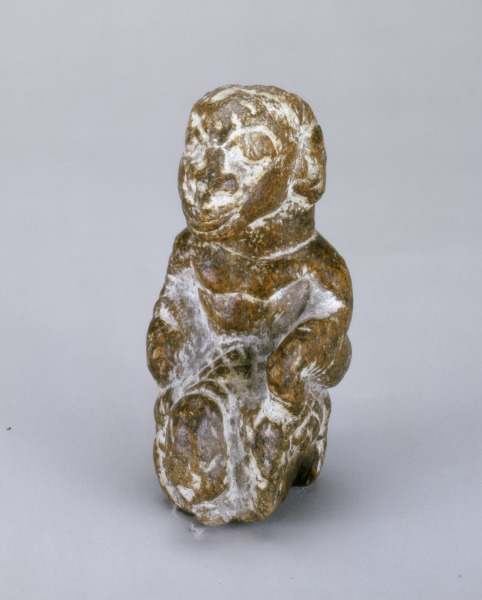
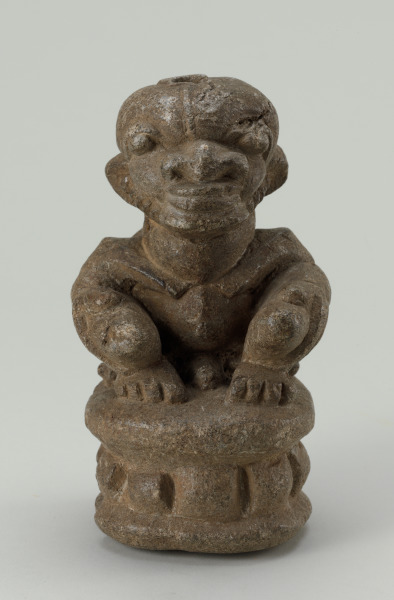
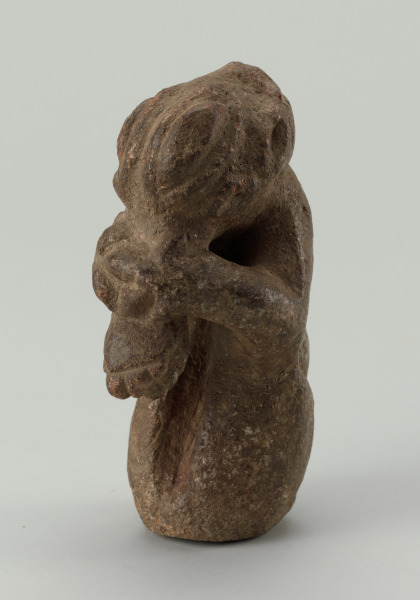
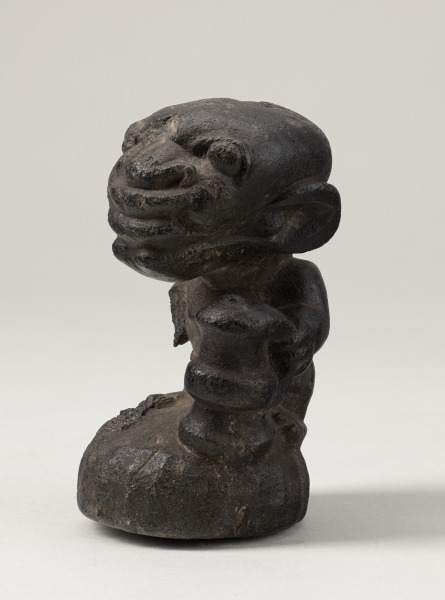
Male Figure
Sapi, 1300-1599
Physical Qualities
Steatite, 12.9 H x 6.4 W x 8.6 D cm.
Credit Line
Gift of John Clayton Davis, Alexandria, Virginia
Object Number
1998.608
Figure Memorializing a King or Chief
Sapi, Sierra Leone
14th-mid 16th century
Sapi artisans carved these small stone figures to memorialize their society’s most honorable men. The earliest datable record of them, from the mid 1460s, is a description by Diogo Gomes, a Portuguese navigator, whose reports of West Africa were later printed in 1506. The emphasis on the profile with the large diamond-shaped eyes is a striking feature of the visual vocabulary shared with Sapi ivory carvers who created products for the Portuguese Christian market such as the Walters’ Pyx (container for liturgical use) .
Steatite
Baltimore Museum of Art, inv. 1998.608
The Baltimore Museum of Art, by gift, 1996; John Clayton Davis, by gift; Bought by father, Allen Davis, in Monrovia, Liberia, in 1959-1960, from Guinean dealer, Taliby Kaaba, who said he bought them in southern Sierra Leone; shipped to the USA in 1960.